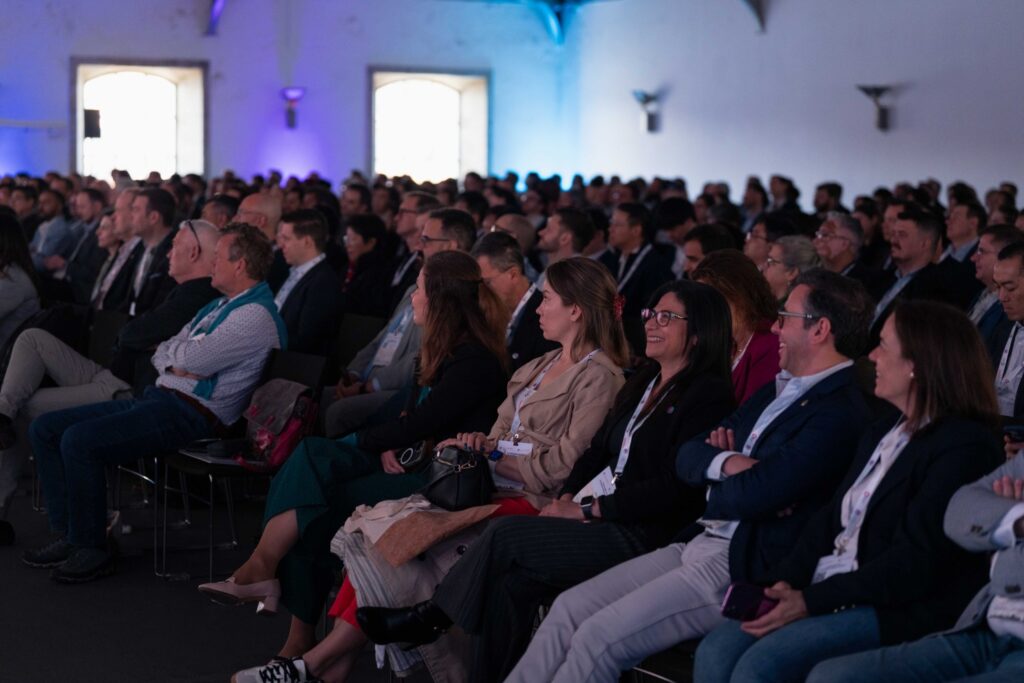
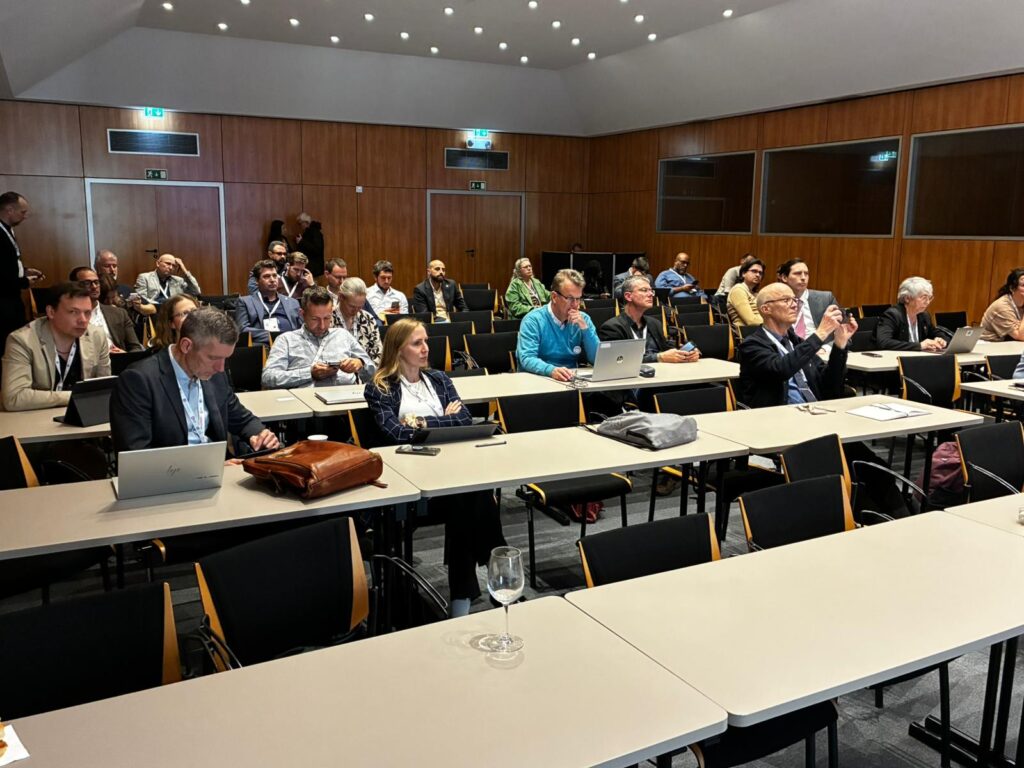
Between 24 and 26 March 2026, industry leaders, practitioners, and innovators gathered in Porto, Portugal, for the latest buildingSMART International Summit. This event set a European attendance record with 785 total participants from 45 countries, including over 200 from Portugal, split between 681 in-person and 104 virtual attendees.
buildingSMART International is leading the digital transformation by enabling better collaboration and digital workflows through the solutions and standards it delivers. Digital workflows help you collaborate and communicate efficiency throughout all phases of the project and asset lifecycle. Digital workflows are critical in projects involving many disciplines, software applications, and organizations that must collaborate and exchange information to achieve success. Interoperable, open, international standards for BIM that transcend traditional design and construction phases to enable a comprehensive digital environment for the entire project and asset lifecycle offer substantial benefits. buildingSMART International enables the development, creation and adoption of open digital standards for productive workflows. The buildingSMART community’s objectives are achieved through three core programs; Standards, Compliance, and User.
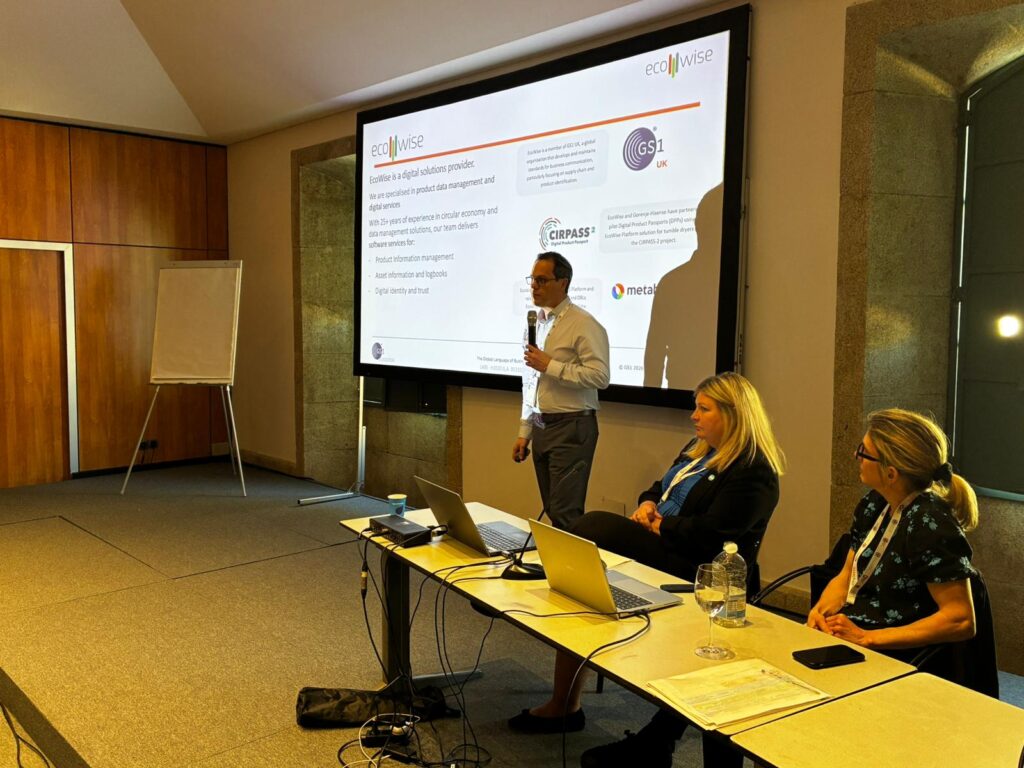
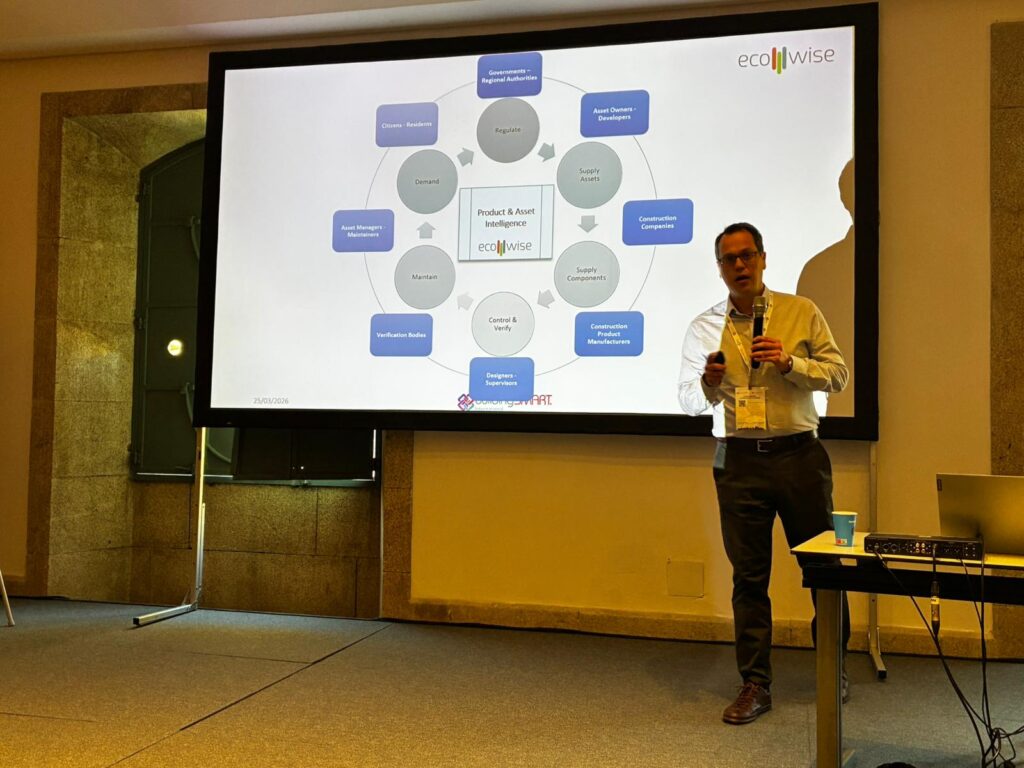
In this scenario Emre Yonten gave a talk that reflected on the fact that EU green digital transition is arriving fast: Digital Building Logbooks and Digital Product Passports are not future concepts but incoming regulatory realities that will redefine how buildings are constructed, managed, reported, and how value is extracted from them. This presentation explores the emerging opportunity by the collaboration of these two frameworks and the potential of Agentic AI services.
These programs work together to develop and promote open, internationally recognized standards, tools, and training for Building Information Modelling (BIM). Their goal is to encourage wider adoption of BIM across the AECO (Architecture, Engineering, Construction, and Operations) and facilities management industries in both building and infrastructure sectors.