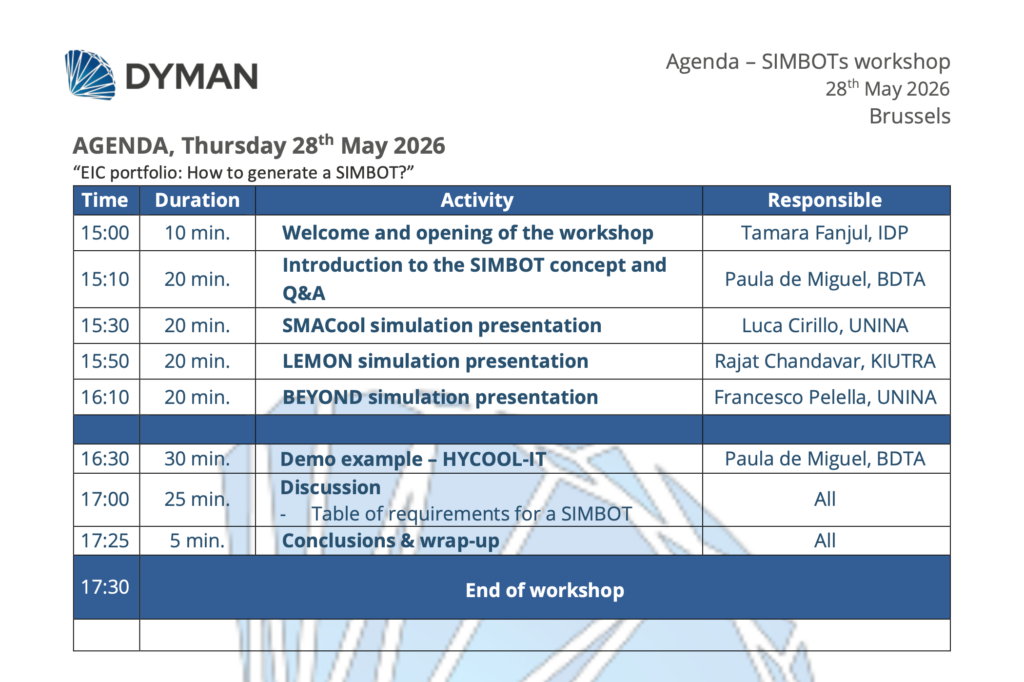
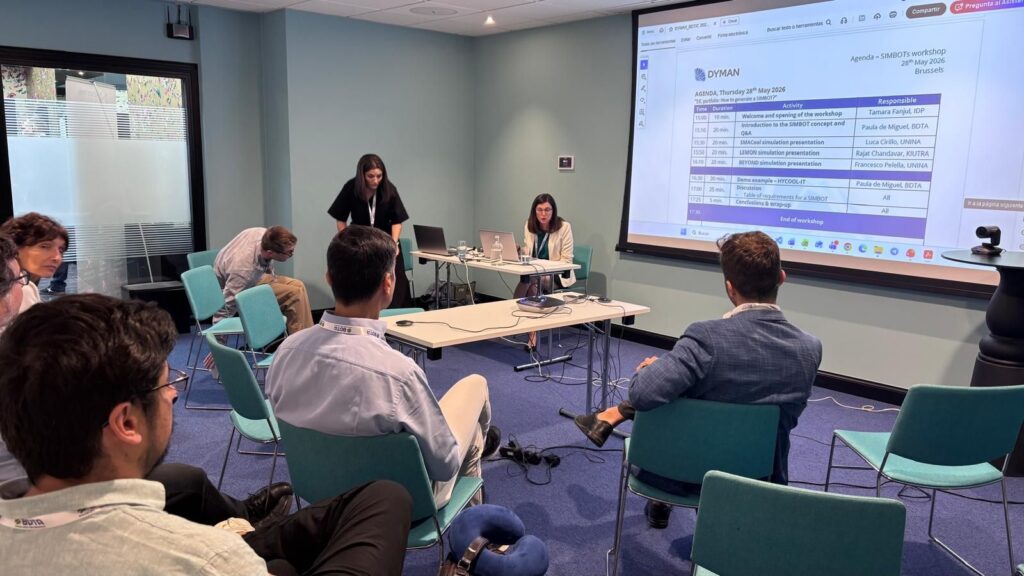
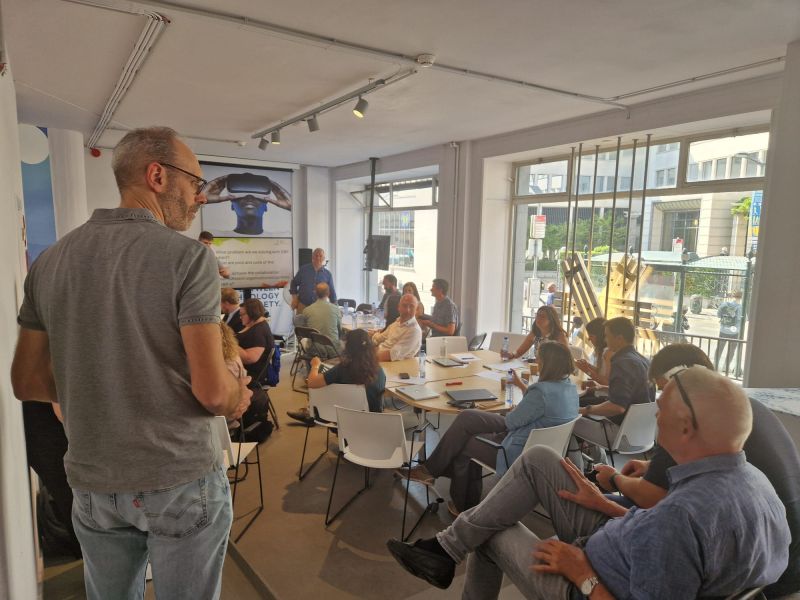
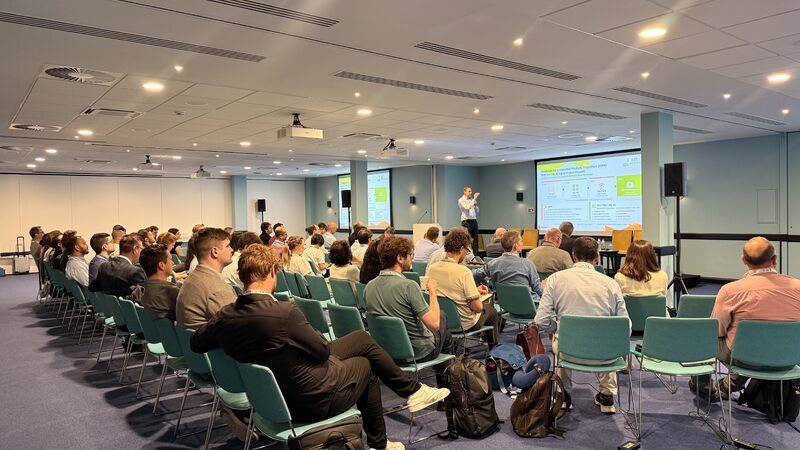
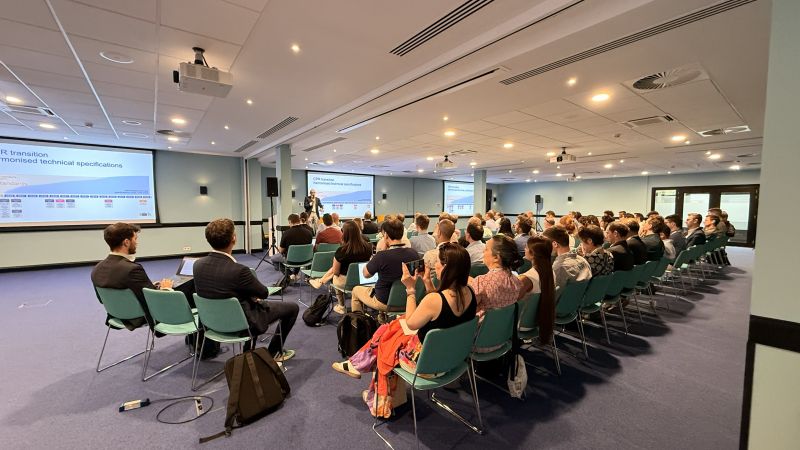
On May 28, 2026, the Thon Hotel Bristol Stéphanie, in Brussels, became the hub of next-generation cooling innovation as the DYMAN project hosted a specialized workshop titled “How to generate a SIMBOT?” Organized under the European Innovation Council (EIC) “Clean and Efficient Cooling” portfolio, the event brought together experts from four key projects to tackle the complex challenge of virtual validation for future data center chillers.
The workshop served as a critical milestone for the EIC portfolio, a collaborative group of 11 deep-tech projects launched in 2024 to revolutionize sustainable cooling solutions. Among them, DYMAN is leading the charge in developing a novel chiller for data centers, utilizing advanced sorption materials and two-phase flow systems. However, before this hardware is deployed in real-world pilot data centers, it must undergo rigorous virtual validation to ensure efficiency and reliability.
The SIMBOT Solution: Bridging Hardware and Software
The core focus of the Brussels gathering was the SIMBOT (Simulation Bot), a concept designed to simplify access to complex simulation methodologies. The DYMAN project plans to couple its new chiller hardware with sophisticated software that dynamically adjusts to the specific cooling needs of data centers. To achieve this, the project is leveraging a “digital twin” developed by IDP (Integrated Digital Physics), which relies on SIMBOTs for its simulation framework.
“This workshop was essential for standardizing how we approach virtual validation across the portfolio,” noted a key organizer. “By using SIMBOTs, we can create a simplified, yet powerful, way to access and run simulations, reducing the time and resources needed to validate new cooling technologies before physical implementation.”
Collaboration Across the Portfolio
The event featured representatives from four distinct projects within the EIC portfolio, fostering cross-pollination of ideas and methodologies:
- DYMAN: Represented by IDP and BDTA, focusing on the chiller development and simulation integration.
- SMACool: Represented by UNINA (University of Naples Federico II), bringing expertise in elastocaloric cooling technologies.
- LEMON: Represented by Kiutra, sharing insights on magnetic refrigeration applications.
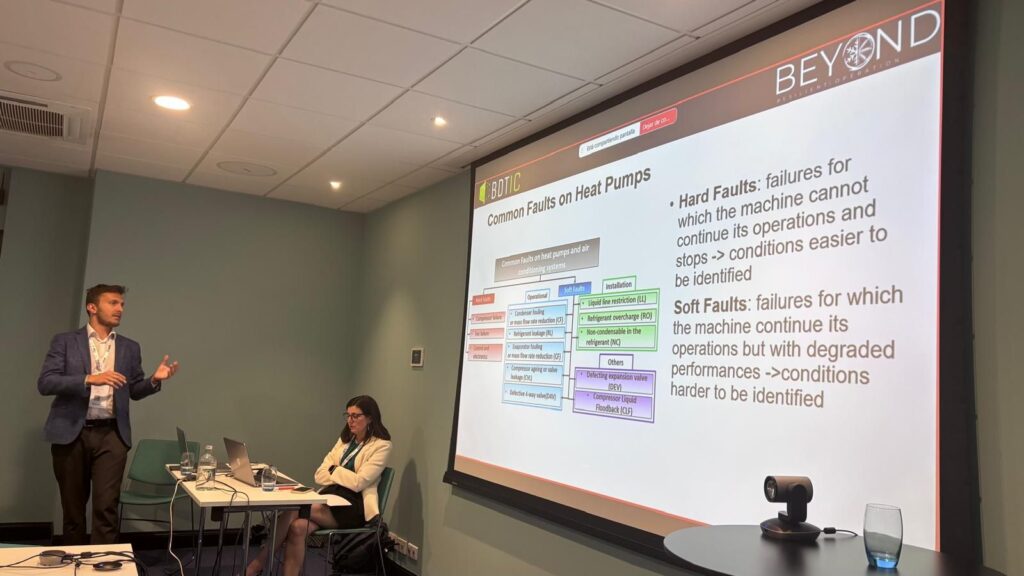
- BEYOND: Also represented by UNINA, contributing knowledge on smart fault evaluation in heating and cooling systems.
The workshop was structured into two dynamic sessions. The first half featured technical presentations from simulation experts across the four projects, detailing their unique approaches to modeling and validation. The second half was a hands-on practical session where participants learned the step-by-step process of generating a SIMBOT. This was followed by an interactive Q&A, allowing attendees to troubleshoot challenges and refine their simulation strategies.
A Path to Efficient Data Centers
The insights gained in Brussels are expected to accelerate the development of the DYMAN chiller. By validating the hardware through a digital twin powered by SIMBOTs, the consortium aims to minimize risks and optimize performance before the system ever touches a live data center.
BDTA specifically highlighted during the session how SIMBOTs could democratize access to high-level simulation, making it easier for researchers and engineers to test hypotheses and iterate designs rapidly. As the EIC portfolio moves toward its third year, events like this underscore the collaborative spirit driving Europe’s transition to a sustainable, clean cooling economy.
With the virtual validation framework now taking shape, the industry looks forward to the next phase: deploying these smart, efficient chillers to tackle the growing thermal demands of the digital age.